
How to Identify Pure Kachi Ghani Mustard Oil
Simple, reliable home tests and sensory checkpoints to ensure your mustard oil is genuine cold-pressed and free from cheap adulterants.
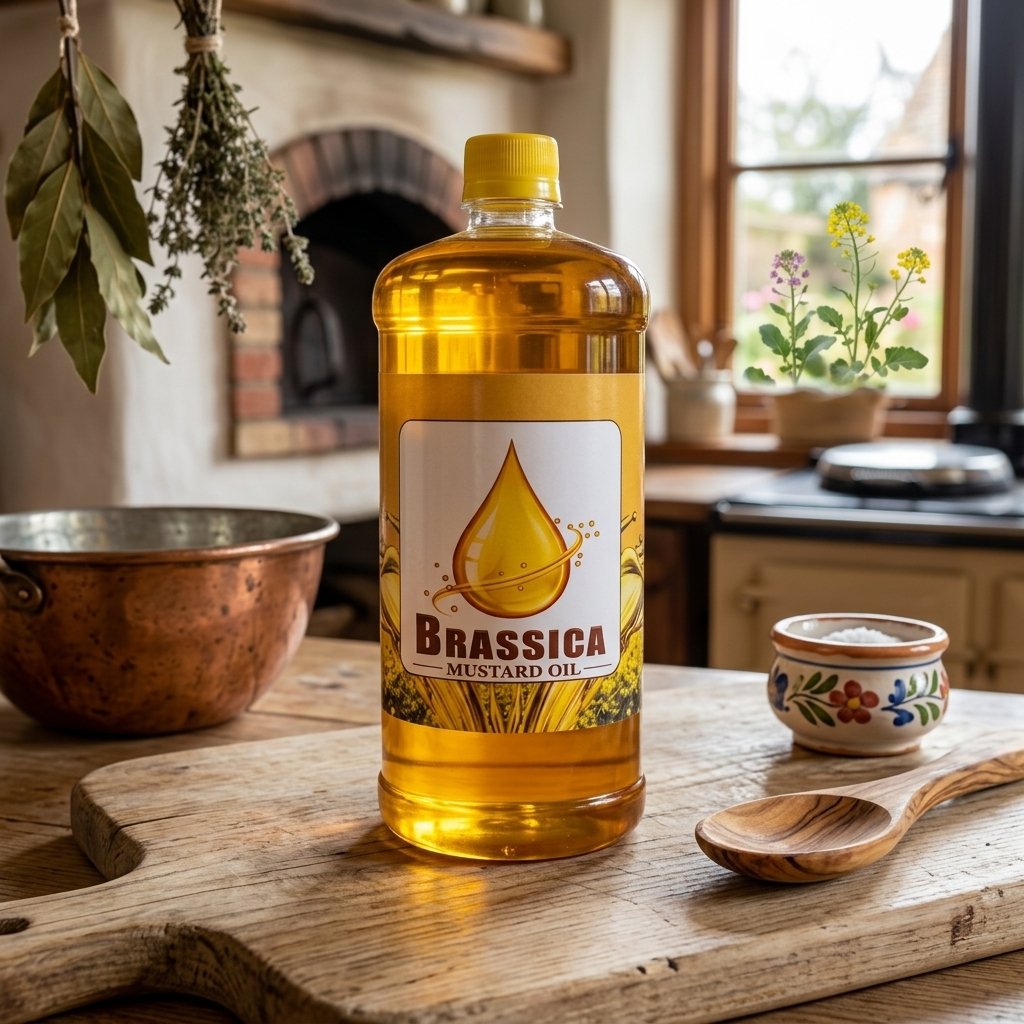
The Rising Challenge of Adulteration
Due to the premium value of authentic mustard seeds, commercial markets frequently encounter bottles diluted with palm olein, crude rice bran oil, or prohibited argemone oil. Learning to identify pure mustard oil protects both your wallet and family health.
Test 1: The Freezer Test
Pour a small cup of mustard oil and place it in your refrigerator or freezer for 2 to 3 hours. Pure mustard oil remains completely liquid at low temperatures. If you observe cloudy white streaks or solid settlement, it has likely been blended with cheap palm oil.
Test 2: Natural Pungency & Aroma
Genuine Kachi Ghani mustard oil possesses a sharp, eye-watering aroma derived naturally from volatile allyl isothiocyanate. Artificial oils smell dull, chemically masked, or greasy.
Test 3: Color and Texture
Pure cold-pressed oil exhibits a warm, golden-amber clarity. Rub a couple of drops between your palms; pure oil absorbs naturally into the skin without leaving a sticky, artificial synthetic sheen.
Disclaimer: This information is for general awareness and educational testing at home.
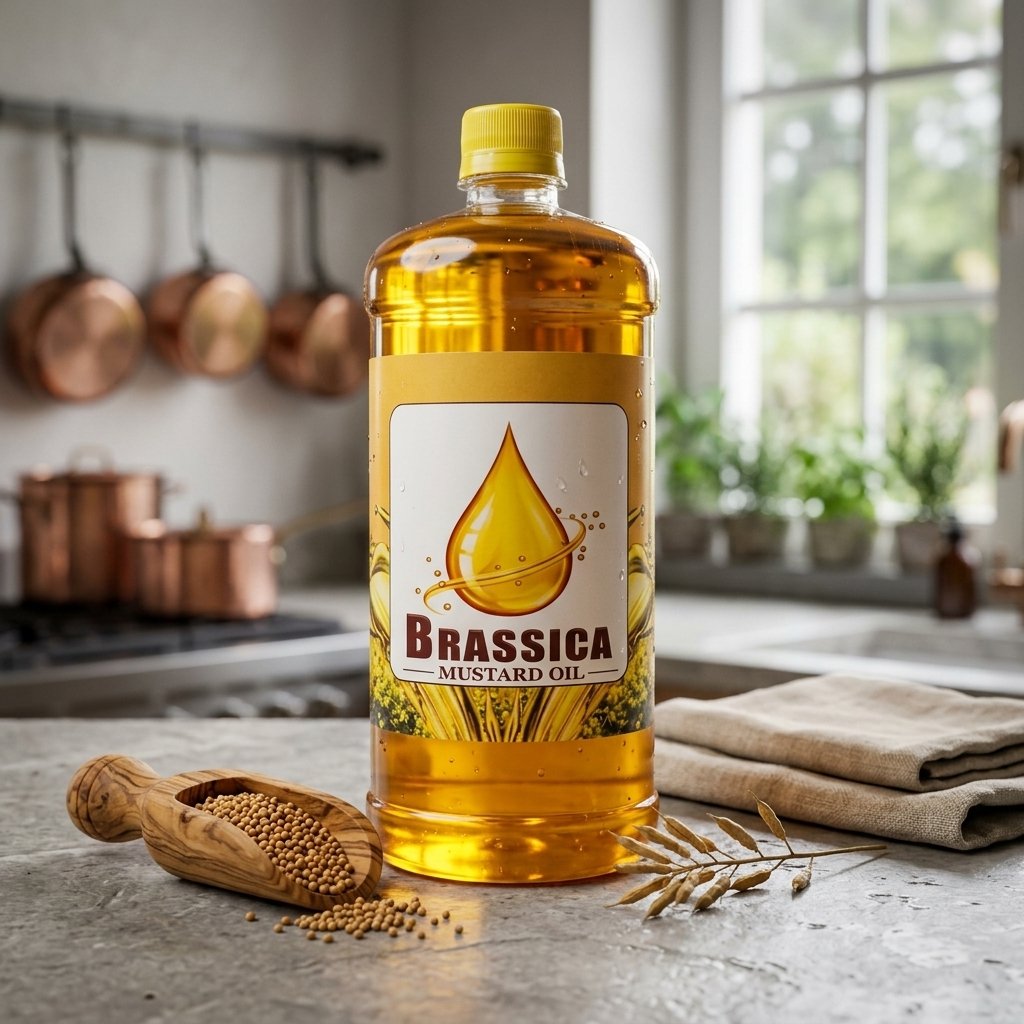
Mustard Oil (1 Liter)
Rs. 700
Published by Brassica Editorial Team • Lahore, Pakistan