
Mustard Oil vs Sunflower Oil: Why Cold-Pressed Matters
An objective breakdown of processing differences, fatty acid profiles, and smoke points between traditional cold-pressed mustard oil and commercial refined seed oils.

Understanding the Refining Process
Modern industrial sunflower and vegetable oils undergo intense mechanical expelling followed by chemical solvent extraction (often utilizing petroleum-derived hexane). The raw oil is subsequently subjected to caustic soda neutralization, bleaching with activated clays, and high-heat deodorization at temperatures exceeding 220°C. While this yields a completely neutral, pale liquid, it also strips out natural Vitamin E, polyphenol antioxidants, and protective phytosterols.
The Heritage of Kachi Ghani (Cold-Pressing)
In contrast, Brassica traditional cold-pressed mustard oil is produced by slowly crushing selected seeds below 40°C. No thermal processing, chemical solvents, or synthetic antifoaming agents are ever introduced. The oil retains its distinct golden hue, rich aroma, and natural pungency caused by allylisothiocyanate.
Balancing Omega-3 and Omega-6
Refined sunflower oil frequently exhibits an imbalanced omega-6 to omega-3 ratio, sometimes as skewed as 70:1. Excessive dietary omega-6 relative to omega-3 is increasingly cited in nutritional literature as a factor in systemic inflammation. Pure mustard oil, by contrast, naturally provides a balanced profile containing approximately 30% polyunsaturated fats (including essential alpha-linolenic acid, an omega-3 fatty acid) alongside 60% monounsaturated fatty acids (MUFAs).
Disclaimer: This information is for general awareness and nutritional education. It is not intended as medical advice or a substitute for professional healthcare consultation.
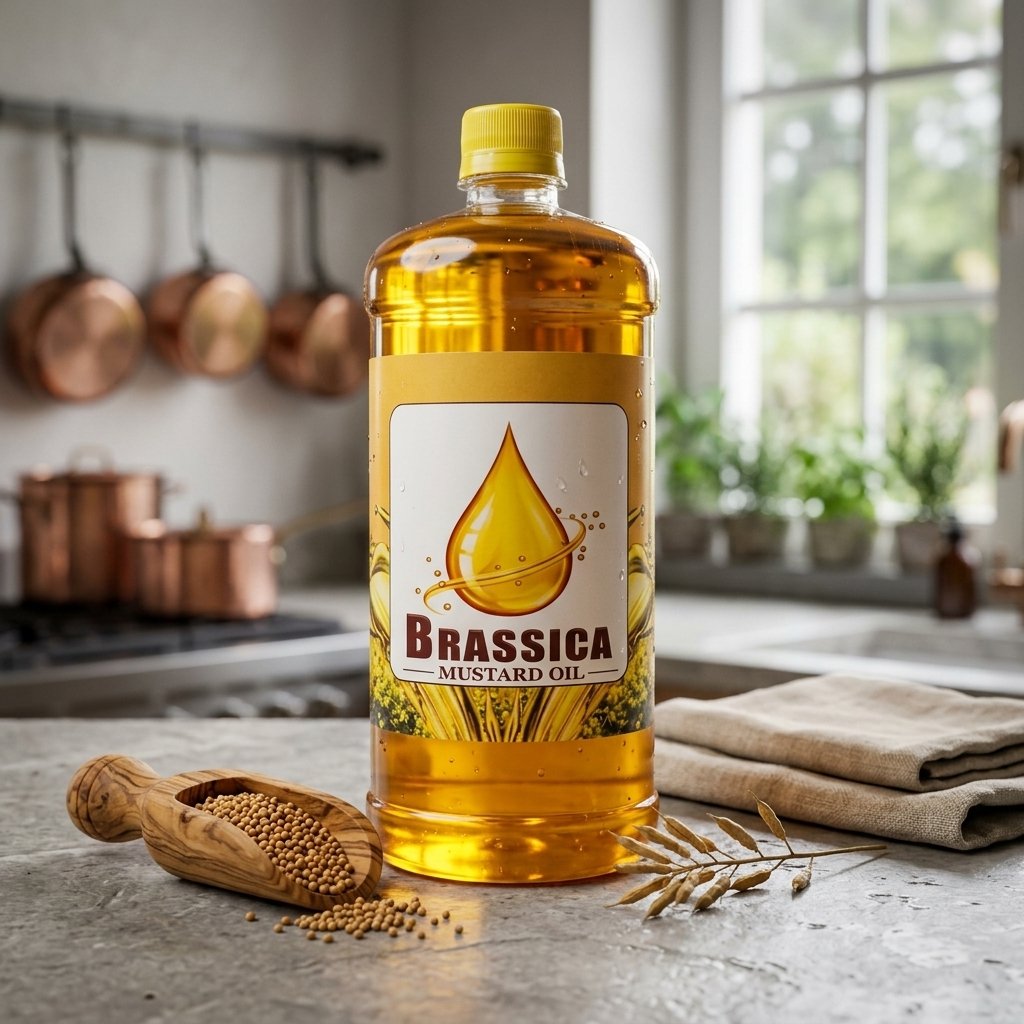
Mustard Oil (1 Liter)
Rs. 700
Published by Brassica Editorial Team • Lahore, Pakistan